

Mushroom coffee is one of the fastest-growing beverage trends globally, combining health benefits with unique flavors. As consumers seek alternatives to traditional coffee, mushroom-based beverages are becoming a mainstream choice.
Ready to launch your own mushroom coffee brand?
This guide covers everything from formulation to branding, packaging, sourcing, pricing, and an effective go-to-market strategy for success in 2025.
🌟 Why Mushroom Coffee?
- Health Benefits: Improved energy, focus, immunity, and reduced caffeine jitters.
- Market Growth: Global functional beverage trends forecast steady growth into 2025 and beyond.
- Consumer Demand: Rising popularity among health-conscious millennials and Gen-Z consumers.
✅ Step-by-Step Guide to Launching Your Mushroom Coffee Brand
Follow this practical roadmap to launch confidently:
🚩 Step 1: Define Your Product Formulation
Choosing Mushroom Varieties:
- Lion’s Mane: Cognitive enhancement, brain health
- Reishi: Immune support, stress relief
- Chaga: High antioxidants, overall immunity
- Cordyceps: Energy boost, endurance enhancement
Tip: Blend 1–2 mushroom varieties initially for clear, understandable health benefits.
Selecting Coffee Type:
- Arabica beans (premium, smooth taste)
- Robusta beans (higher caffeine, bolder flavor)
- Instant coffee (easy, convenient preparation)
Action: Test small-batch samples to balance mushroom taste and coffee profile.
🚩 Step 2: Brand Development & Positioning
Brand Identity:
- Create a memorable name that clearly suggests wellness and energy (e.g., “ShroomBoost,” “FungoCoffee”).
- Choose colors representing health, wellness, nature (greens, earthy tones, neutrals).
Brand Messaging:
- Clearly communicate health benefits: “Boost your focus naturally,” “Coffee without the jitters.”
- Transparency is key—clearly explain ingredients and sourcing.
🚩 Step 3: Packaging Design & Strategy
Packaging Format Options:
- Stand-Up Pouches (Recommended): Eco-friendly, resealable, affordable, ideal for powder-based mushroom coffee.
- Glass Jars: Premium feel but higher shipping costs.
- Single-serve Sachets: Perfect for trial packs and convenience-focused buyers.
Essential Packaging Elements:
- Bold branding (clear logo, name, visuals)
- Clearly listed ingredients and mushroom benefits
- Simple preparation instructions
- Sustainability claims (eco-friendly, recyclable packaging)
- QR codes linking to usage videos, brand story, testimonials
Tip: Minimalist packaging designs resonate with health-conscious buyers—use eco-friendly materials for added appeal.
🚩 Step 4: Sourcing & Supply Chain
Mushroom Suppliers:
- Partner with reputable organic mushroom extract suppliers (verified COAs).
- Establish direct connections with mushroom growers or verified wholesale importers.
Coffee Sourcing:
- Consider ethical, fair-trade Arabica or Robusta beans suppliers.
- Sample multiple sources for consistent quality and flavor.
Action: Order small batches initially, scale sourcing once demand grows.
🚩 Step 5: Pricing & Cost Management
Calculate Your Costs Clearly:
- Raw ingredients (mushroom extracts, coffee beans)
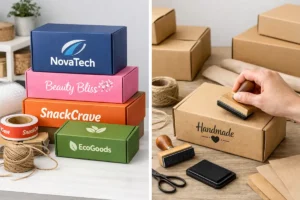
- Packaging (labels, pouches, boxes)
- Shipping & logistics
- Labor & production costs
- Marketing expenses (ads, influencers, social media)
Pricing Strategy:
- Aim for 40–60% gross margin.
- Price competitively but reflect premium quality.
- Offer different price points: trial packs, monthly subscription discounts, and bundle deals.
Example Pricing (2025 market forecast):
- 100g pouch: ₹499 – ₹799 (~$6–$10 USD)
- Starter sample pack (50g): ₹299 (~$4 USD)
- Subscription monthly pack: ₹449/month (~$6 USD)
🚩 Step 6: Go-to-Market Strategy
1. E-Commerce & D2C (Direct-to-Consumer):
- Launch a simple Shopify or WooCommerce online store.
- Use Instagram, TikTok, YouTube Shorts to build early buzz.
- Invest in targeted Google & Facebook ads for initial reach.
2. Influencer & Affiliate Marketing:
- Partner with micro-influencers (5–20k followers) in wellness, fitness, and coffee niches.
- Offer affiliate commissions to bloggers and health influencers.
3. Product Sampling & Reviews:
- Distribute samples to influencers, yoga studios, gyms, and co-working spaces.
- Encourage customer-generated content through giveaways and review incentives.
4. Offline Channels:
- Target premium cafés, health-food stores, co-working spaces for initial retail presence.
- Explore farmer’s markets and wellness expos for direct customer interaction.
🚩 Step 7: Scaling & Future Expansion
- Expand product range: Introduce ready-to-drink (RTD) bottles, mushroom lattes, or cold brews.
- Explore export markets (North America, Europe, Australia) once established domestically.
- Invest in brand storytelling through video, podcasts, wellness webinars.
🛠️ Common Mistakes & How to Avoid Them
| Mistake | How to Avoid |
| Poor Taste Balance | Extensive sampling and consumer feedback |
| Unclear Health Benefits | Clearly label ingredients and benefits upfront |
| Neglecting Packaging | Invest in attractive, eco-friendly designs |
| Ignoring Brand Positioning | Define clear, simple brand identity |
| Over-investing Initially | Start small, scale based on actual demand |
🛒 Essential Tools for Mushroom Coffee Brand Launch
- Stand-Up Pouches (Eco-Friendly, Recyclable)
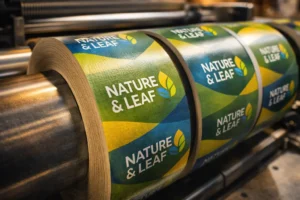
- Label Sheets (Printable, Waterproof)
- Digital Coffee Scale (for accurate blending)
- Mini Heat Sealer Machine
- QR Code Generator for Packaging
📈 Projected Mushroom Coffee Market Trends (2025+)
- High consumer preference for wellness-focused beverages.
- Growing demand for eco-friendly and transparent brands.
- Increased consumer adoption of functional mushrooms (Lion’s Mane, Reishi, Chaga).
💬 Final Thought
Launching your mushroom coffee brand in 2025 is about tapping into a powerful wellness trend with huge potential. Start small, test thoroughly, and scale wisely.
With clear branding, thoughtful packaging, quality ingredients, and a strategic go-to-market approach, your mushroom coffee brand can successfully stand out and thrive.
Now, it’s your turn—brew the future of coffee!



One Response