
Printed Tape Is Made – A Simple Guide for Small Businesses
Printed tape is made using a combination of film or paper materials, adhesives, and industrial printing methods. For small businesses, understanding this process helps you order better-quality packaging, avoid design issues, and use branded tape as a cost-effective marketing tool.
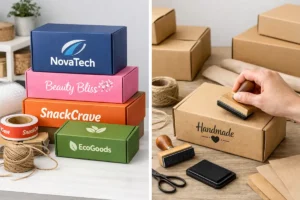
In this guide, you’ll learn how printed tape is made, explained step by step, using simple language and real packaging examples.
What Materials Are Used When Printed Tape Is Made
Before production begins, manufacturers select the base material and adhesive type. These choices affect strength, cost, and sustainability.
Common materials include:
-
BOPP film (polypropylene) – durable, glossy, and affordable
-
PVC film – flexible and strong
-
Kraft paper – recyclable and eco-friendly
Adhesives typically used:
-
Acrylic (clear, UV-resistant)
-
Hot melt (strong, fast bonding)
-
Natural rubber (heavy-duty sealing)
Choosing the right combination ensures the tape performs well during shipping.
How Printed Tape Is Made Step by Step
Step 1: Preparing the Base Material
Large master rolls of plain film or paper are mounted onto production machines. The surface must be smooth so branding prints clearly.
Step 2: Applying the Adhesive
One side of the material is coated with adhesive using precision rollers. The coated layer is then dried or cured to achieve proper stickiness.
Step 3: Printing the Design
This is where branding is added.
Most manufacturers use flexographic printing, which is ideal for:
-
Logos
-
Repeating patterns
-
Text-based designs
Ink is transferred onto the surface using custom plates.
Step 4: Drying and Curing
After printing, the tape passes through heated tunnels so the ink bonds permanently. This prevents smudging or fading during transit.
Step 5: Slitting and Rewinding
The wide master roll is cut into standard widths (usually 48mm or 72mm) and rewound into individual rolls.
Step 6: Quality Control
Each roll is inspected for:
-
Print alignment
-
Color accuracy
-
Adhesive strength
-
Roll consistency
Only approved batches move to final packaging.
Printing Methods Used in Custom Packaging Tape
Flexographic Printing
The most common method for branded sealing tape because it is:
-
Cost-effective for bulk orders
-
Fast and reliable
-
Suitable for simple, bold designs
Digital Printing
Best for:
-
Low minimum orders
-
Multiple artwork versions
-
Short production runs
This option works well for startups testing branding.
Common Mistakes to Avoid During Production
Using Low-Quality Artwork
Low-resolution files result in blurry logos and poor brand perception.
Choosing the Wrong Adhesive
Not all adhesives work on recycled boxes or cold environments.
Overly Complex Designs
Fine details and gradients may not print clearly on narrow tape.
Ignoring Tape Width
Designs should always be created to match the final roll size.
Why Branded Tape Matters for Small Businesses
When produced correctly, branded packaging tape provides:
-
Affordable brand exposure on every box
-
Tamper-evident sealing
-
A professional unboxing experience
-
Better brand recall
FAQs About How Printed Tape Is Made
How long does production take?
Usually 7–14 business days, depending on order size and print method.
Is custom tape expensive?
No. It’s one of the most affordable branding tools in packaging.
Can eco-friendly options be produced?
Yes. Paper-based tape with water-based ink is recyclable.
What file format should I submit?
Vector files such as AI, PDF, or EPS work best.
Recommended Products Related to Printed Tape
-
Packaging Tape Dispenser
Printed tape made for small business packaging use -
Eco-Friendly Paper Tape Dispenser
Printed tape made with paper packaging tape -
Heavy-Duty Clear Packing Tape
Printed tape made for shipping box sealing -
Manual Tape Cutter
Printed tape made easy with cutter tool
Helpful Resources
- The Rise of Custom Packaging in Small Business Success Stories
- Top Benefits of Custom Packaging for Brands
Conclusion: Understanding How Printed Tape Is Made Helps You Choose Better
When you understand how printed tape is made, you can select better materials, avoid design mistakes, and use custom packaging tape as a powerful branding tool. With the right supplier and setup, printed tape improves security, marketing, and customer experience at a low cost.
If you’re ready to order for custom design, contact at packagingseller.com and upgrade your packaging today.