
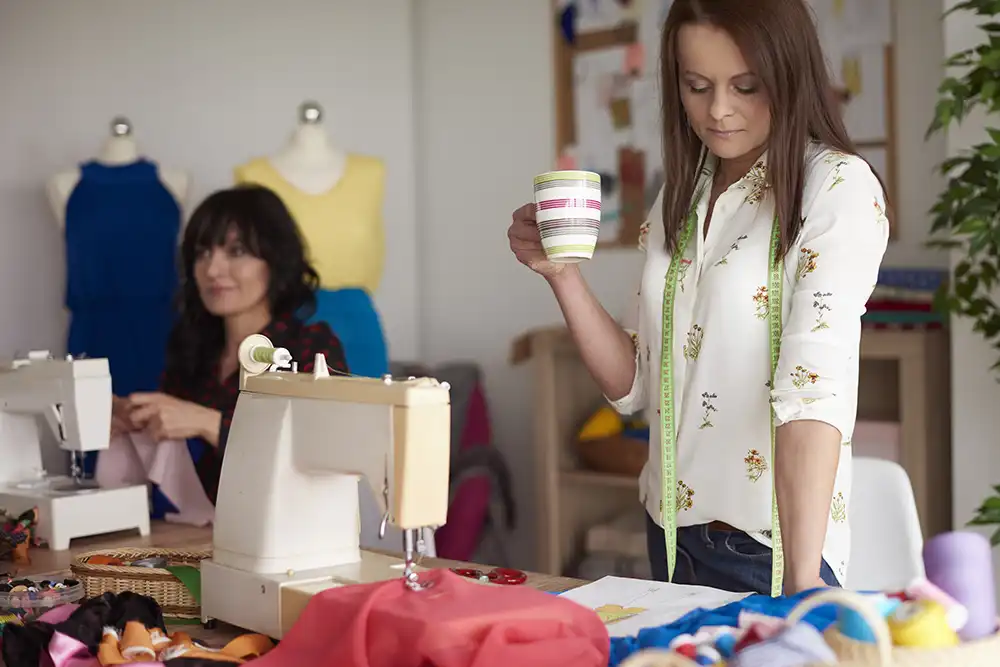
🧵 Stitching Sustainability into Style: The New Age of Circular Fashion
In a world where fast fashion dominates and millions of clothes end up in landfills every year, a quiet revolution is stitching its way into the mainstream — clothing repair and upcycling platforms.
This isn’t just about patching jeans or reusing old t-shirts. It’s about creating a sustainable system that blends tradition (local tailors) with modern convenience (tech-enabled pickups and customization).
Let’s dive into how this model solves a global problem while generating local jobs and building eco-conscious habits.
👗 The Problem: Fashion Waste and Overconsumption
- 🌍 92 million tons of textile waste are generated each year
- 👕 1 garbage truck full of clothes is burned or sent to landfill every second
- 💳 People buy 60% more clothing but keep them for half as long
- 🛍️ Most wearables are discarded due to minor damage or size issues, not real expiry
Fast fashion encourages overconsumption while repairs are often seen as inconvenient or outdated — leading to a throwaway culture.
🔧 The Solution: A Tech-Enabled Clothing Repair & Upcycle Network
Imagine if fixing your clothes was as easy as ordering food.
This business model makes it happen:
✅ How It Works:
- User Books Repair
Via website/app, the customer selects the issue (zip, hem, tear, resizing, etc.) - Pickup Scheduled
A delivery partner picks up the item from the customer’s home - Local Tailor Assigned
Orders are routed to verified local tailors based on specialty - Upcycle Option
Customers can also request creative redesigns like converting jeans into bags, shirts into dresses, etc. - Drop-off or Courier Return
The finished product is returned in eco-friendly packaging
🔄 Add-On Features:
- Custom embroidery, patchwork, or size personalization
- Recycle unusable items for store credits
- Clothing condition assessment with upcycling suggestions
- Subscription-based mending plans (monthly repairs)
👥 Who Benefits?
| Segment | Impact |
| 🌱 Environment | Reduces landfill waste and carbon footprint from manufacturing |
| 🧵 Local Tailors | Boosts livelihood through digitized job flow |
| 🧍♀️ Consumers | Saves money, revives favorite clothes, promotes mindful fashion |
| 🏢 Startups/Brands | Opens a profitable, purpose-driven niche with recurring revenue |
💰 Is It a Profitable Business?
Yes — and growing.
- Urban millennials, Gen Z, and eco-conscious families are actively looking for alternatives to fast fashion
- Upcycled fashion is now a trend, not just a solution
- Market Potential:
- Urban India alone has 3M+ tailors (unorganized)
- Global fashion resale market is projected to reach $84 billion by 2030
- Partnerships with fashion brands, schools, and offices for bulk repairs or drives
🛠️ Do’s & Don’ts for Building This Business
✔️ Do’s
- Build an easy-to-use app with photos and transparent pricing
- Work with verified tailors and empower them with training
- Offer eco-friendly packaging and carbon-neutral pickups
- Educate users on the environmental cost of their clothing
❌ Don’ts
- Don’t overpromise delivery — repairs take skill and time
- Avoid fast fashion collabs unless it supports recycling
- Don’t ignore hygiene standards, especially for intimate wear
🌟 Packaging Seller’s Subtle Role
For platforms offering premium upcycled services or gifting options, custom packaging from packagingseller.com can help elevate the experience. From reusable cloth wraps to recycled paper boxes — every touchpoint can reinforce sustainability and care.
📦 Final Thought
Affordable clothing repair and upcycle platforms are more than just a business trend — they’re part of the future of fashion. They create jobs, extend garment life, and give consumers a conscious choice without compromising style.
It’s not about throwing less — it’s about loving your clothes more.
Printed T-Shirts & Hoodies Business – Start with Print-on-Demand



One Response