
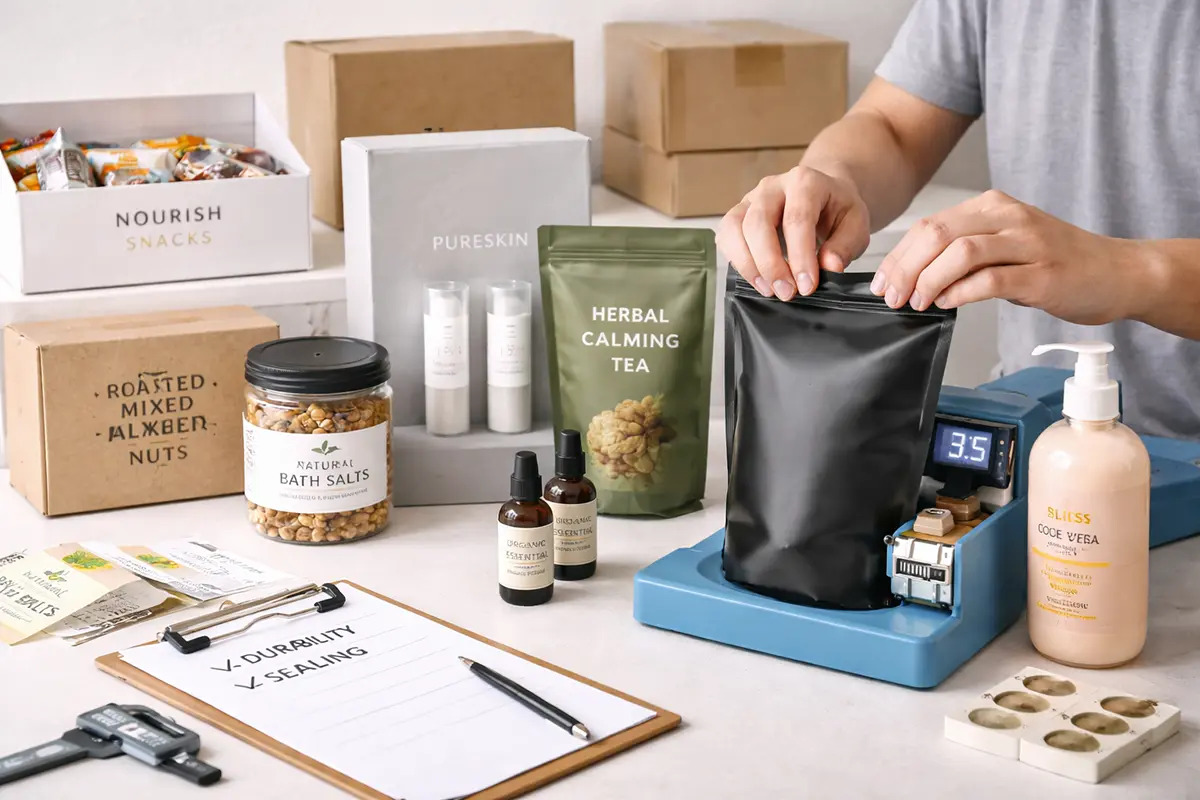
How to Choose the Right Packaging for Your Product
Choosing the right packaging is one of the most important decisions for any business. Good packaging protects your product, attracts customers, and builds trust in your brand. On the other hand, wrong packaging can increase costs, damage products, and reduce sales. In this guide, you will learn how to choose the right packaging step by step, in simple language, so even beginners and startups can understand and apply it easily.
1. Understand Your Product First
Before choosing packaging, you must clearly understand your product.
Ask yourself:
-
Is the product solid, liquid, or powder
-
Is it fragile or strong
-
Does it need airtight sealing
-
Is it food, cosmetic, chemical, or general item
-
Does it need protection from light, air, or moisture
For example:
-
Ghee needs airtight jars or tins
-
Snacks need moisture-proof pouches
-
Cosmetics need leak-proof bottles
Packaging should always match the product’s nature.
2. Know Your Target Customer
Packaging should be designed for your customer, not just the product.
Think about:
-
Age group (kids, adults, older)
-
Lifestyle (health-focused, premium, budget buyers)
-
Buying purpose (daily use or gifting)
Example:
-
Kids’ products need colorful, safe packaging
-
Premium products need minimal, classy packaging
-
Budget products need simple and cost-effective packaging
Helpful read:
👉 Crafting Kids’ Food Packaging That Speaks to Parents
3. Choose the Right Packaging Material
Packaging material plays a big role in cost, safety, and appearance.
Common packaging materials:
-
Kraft paper (eco-friendly, natural look)
-
Plastic pouches (cost-effective, flexible)
-
Glass jars (premium, reusable)
-
Tin containers (durable, gift-friendly)
-
Cardboard boxes (strong, printable)
If sustainability matters to your brand, choose eco options.
Related guide:
👉 Eco-Friendly Packaging: Benefits for Your Business
4. Select Packaging Based on Usage & Convenience
Your packaging should be easy for customers to use.
Consider:
-
Easy opening
-
Resealable zip
-
Pour-friendly design
-
Spill-proof closure
Example:
-
Zip pouches for snacks
-
Flip caps for lotions
-
Screw caps for oils
Convenient packaging improves customer satisfaction and repeat sales.
5. Think About Branding & Shelf Appeal
Packaging is your silent salesman.
Good packaging should:
-
Grab attention
-
Communicate brand identity
-
Look professional on shelves and online
Use:
-
Brand colors
-
Clear logo placement
-
Clean typography
-
Simple icons
To understand branding impact, read:
👉 Benefits of Custom Packaging
6. Check Legal & Labeling Requirements
This step is very important, especially for food and cosmetic products.
Your packaging must include:
-
Ingredients list
-
Net quantity
-
MRP
-
Manufacturing & expiry date
-
FSSAI details (for food)
-
Directions for use
-
Warnings (if any)
Missing information can lead to legal issues.
Detailed guide:
👉 What Are the Main Points That Should Be Considered in Label Design?
7. Decide Between Ready-Made or Custom Packaging
There are two main options:
Ready-Made Packaging
-
Faster
-
Affordable
-
Ideal for startups
Custom Packaging
-
Unique brand identity
-
Better flexibility
-
Higher cost
Many businesses start with ready-made templates and later move to custom designs.
Helpful comparison:
👉 What Are the Benefits of Packaging Templates?
8. Consider Shipping & Storage
Packaging should protect the product during transport.
Check:
-
Strength of packaging
-
Stackability
-
Weight
-
Space efficiency
Lightweight and compact packaging reduces courier costs and damage.
9. Choose Packaging That Fits Seasonal Promotions
Seasonal packaging increases sales during festivals and winters.
Examples:
-
Winter-themed food packaging
-
Festive gift boxes
-
Limited-edition sleeves
Seasonal design makes products feel special.
Read more:
👉 Packaging Design Tips for Seasonal Promotions
10. Balance Cost and Quality
Do not choose packaging only because it is cheap.
Cheap packaging can:
-
Look unprofessional
-
Break easily
-
Reduce customer trust
Instead, choose packaging that gives best value for money, not just lowest price.
11. Test Before Finalizing
Before ordering in bulk:
-
Test packaging with real product
-
Check leakage or damage
-
Get customer feedback if possible
Small testing saves big losses later.
5 Products Helpful for Choosing & Testing Packaging
These tools help businesses select, test, and use packaging properly.
1️⃣ Kraft Stand-Up Pouches
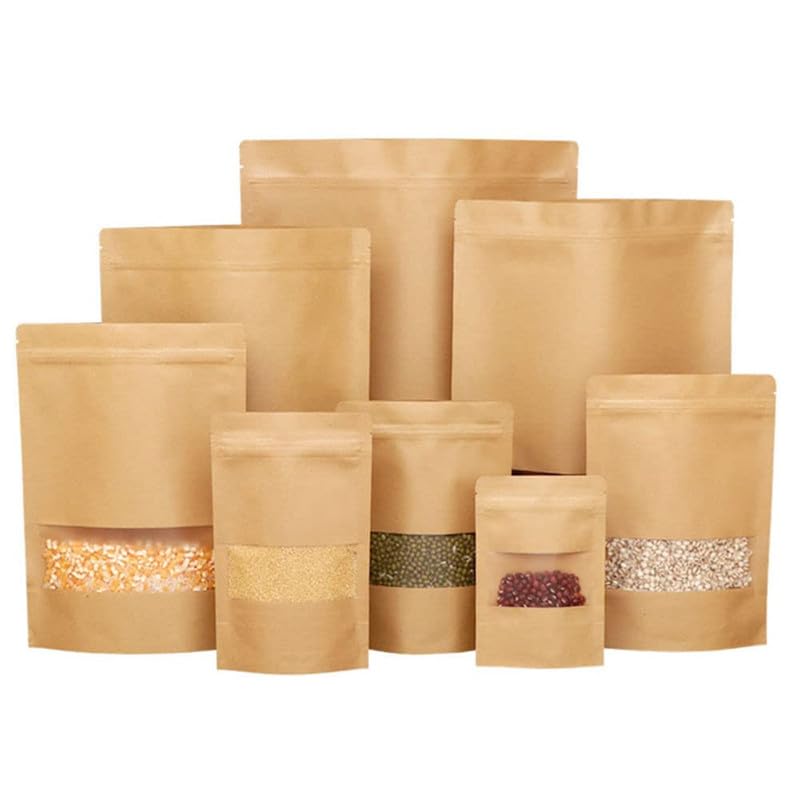
Useful for snacks, powders, dry foods, and eco brands.
Helps you test flexible and lightweight packaging.
2️⃣ Glass Jars with Airtight Lids
Ideal for ghee, honey, creams, and premium food products.
Helps decide if your product needs airtight packaging.
3️⃣ Heat Sealing Machine
Essential for sealing pouches and testing leak-proof packaging.
4️⃣ Digital Weighing Scale
Helps measure exact product weight to choose the correct package size.
5️⃣ Thermal Label Printer
Useful for testing label size, placement, and barcode clarity before final printing.
Conclusion
Choosing the right packaging is not difficult if you follow a clear process. The right packaging:
-
Protects your product
-
Attracts customers
-
Builds brand trust
-
Improves sales
-
Saves long-term costs
Whether you are a startup or a growing business, spending time on packaging decisions always pays off.
Platforms like PackagingSeller.com help businesses choose the right packaging by offering ready-made templates and professional design options for labels, boxes, pouches, and jars.



One Response