Physical Product Startup: What You Need to Start Any Physical Thing Business
Starting a physical product startup is exciting—but it also requires more planning than a digital-only business. From product design to packaging and shipping, every step matters if you want to launch smoothly and scale confidently.
In this guide, you’ll learn exactly what is needed to start a successful product-based business, whether you’re selling handmade goods, branded merchandise, or manufactured products.
Understanding a Physical Product Startup
A physical product startup is any business that sells tangible items customers can touch, use, and receive by delivery or in person.
Examples include:
-
Packaged food or beverages
-
Apparel and accessories
-
Cosmetics and skincare
-
Electronics or gadgets
-
Home goods and custom products
Unlike digital businesses, product-based companies must manage inventory, suppliers, packaging, and logistics.
Why Planning Matters for Product-Based Businesses
Proper planning reduces costly mistakes and helps a new goods-based startup survive the critical first year.
Good planning helps you:
-
Control production costs
-
Avoid inventory waste
-
Build a professional brand image
-
Deliver a better customer experience
Many startups fail not because the product is bad—but because execution is poor.
Core Requirements for Any Physical Product Startup
1. A Clear Product Idea and Market Fit
Your product must solve a real problem or fulfill a clear demand.
Ask yourself:
-
Who is this product for?
-
Why would someone buy it over competitors?
-
What makes it different?
Validate your idea before investing heavily.
2. Product Design and Prototyping
Before mass production, you’ll need a prototype.
This helps you:
-
Test usability
-
Fix design flaws
-
Estimate production costs
Start small and improve based on feedback.
3. Manufacturing or Sourcing Strategy
Every physical product startup needs a reliable way to produce goods.
Options include:
-
Local manufacturers
-
Overseas suppliers
-
Small-batch or print-on-demand production
Always test suppliers before committing.
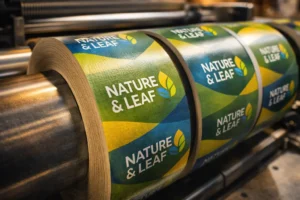
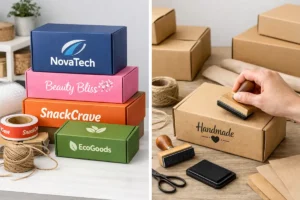
4. Branding and Packaging for Physical Products
Packaging is not optional—it’s part of your product.
Strong packaging:
-
Protects your product
-
Builds brand trust
-
Improves the unboxing experience
Many new brands use custom boxes, labels, and mailers from platforms like packagingseller.com to look professional from day one.
5. Inventory and Storage Setup
You’ll need space to store products safely.
Consider:
-
Home storage (for early-stage sellers)
-
Third-party fulfillment centers
-
Warehouses (as you scale)
Poor inventory management can kill a product business quickly.
6. Legal and Business Setup
Every physical product startup needs basic compliance:
-
Business registration
-
Tax ID
-
Product safety regulations
-
Trademarks (optional but smart)
Skipping this step can cause legal issues later.
7. Pricing and Cost Structure
You must price your product profitably.
Include:
-
Manufacturing cost
-
Packaging cost
-
Shipping fees
-
Marketing expenses
-
Platform fees
Always leave room for profit and growth.
Common Mistakes in Product-Based Startups
-
Ordering too much inventory early
-
Ignoring packaging quality
-
Underpricing products
-
Choosing unreliable suppliers
-
Skipping customer feedback
Avoid these, and your business already has an advantage.
Step-by-Step: How to Start a Physical Product Startup
-
Validate your product idea
-
Build a prototype
-
Find and test suppliers
-
Design branding and packaging
-
Set pricing and margins
-
Register your business
-
Order small inventory batches
-
Launch and gather feedback
This structured approach reduces risk and saves money.
Amazon Product Suggestions for Product Startups
-
Corrugated Shipping Boxes
Shipping boxes for physical product startup packaging -
Thermal Shipping Label Printer
Label printer for physical product startup shipping - Bubble Mailers
Protective mailers for physical product startup orders - Barcode Scanner
Inventory barcode scanner for small brands
FAQs About Starting a Physical Product Startup
Q1. How much money do I need to start a physical product startup?
It can range from a few hundred dollars to several thousand, depending on product type and scale.
Q2. Can I start from home?
Yes. Many product-based businesses begin at home with small inventory and grow over time.
Q3. Is packaging really that important?
Yes. Packaging affects branding, protection, and customer trust.
Q4. Where can I get affordable packaging design?
Packaging Design Company like packagingseller.com offer scalable packaging design solutions for growing brands.
Conclusion
Starting a product-based business requires more than just a good idea. You need planning, reliable suppliers, smart packaging, and careful cost control.
When done right, selling physical products can build strong brands, loyal customers, and long-term growth. Start small, stay focused, and invest early in quality—especially in packaging and presentation.
More userful Links:
Soup Winter Startup & Ready-to-Eat & Comfort Food
Home Comfort Startup in Winter – Sell Cozy Products
How to Choose the Right Packaging Supplier (Checklist & Tips)