

Choosing packaging isn’t just about looks—it impacts your costs, sales, brand perception, and shelf life.
Should your FMCG product be in a pouch, a box, or simply a label on an existing container?
Picking the right packaging format can make or break your brand, especially if you’re a startup or small business.
In this post, you’ll learn:
- Key differences between pouches, boxes, and labels
- Factors to consider before choosing your format
- Cost-effective strategies for FMCG startups
- Real-world examples to inspire your decision
🎯 Why Your Packaging Format Matters So Much
Your packaging directly affects:
- Customer perception (premium vs. budget)
- Product protection (moisture, transit, shelf life)
- Convenience & functionality (ease of use, resealability)
- Cost efficiency (packaging production costs and storage)
- Retail & online visibility (how well your product stands out)
Selecting the wrong format means lost sales, poor shelf appeal, and disappointed customers.
🔎 Comparing the Top 3 FMCG Packaging Formats
Let’s explore the strengths and weaknesses of Pouches, Boxes, and Labels clearly:
1️⃣ Stand-Up Pouches
Pros:
- Lightweight, cost-effective, easy to transport
- Great shelf visibility, especially for snacks and spices
- Good moisture barrier & resealability
Cons:
- Less suitable for fragile items
- Not ideal for large/heavy products
Best for: Snacks, dry fruits, spices, herbal powders, liquids, sauces, beverages, beauty masks
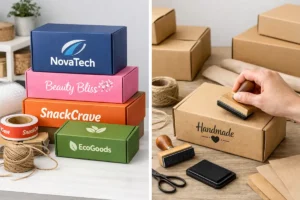
2️⃣ Boxes (Paperboard or Corrugated)
Pros:
- Durable, protects delicate products
- Easy to stack, store, and display
- Premium feel, ideal for gifting or subscription models
Cons:
- Slightly higher cost compared to pouches
- May require inner lining for moisture-sensitive items
Best for: Cosmetics, chocolates, tea/coffee, luxury gifting kits, subscription boxes, fragile products
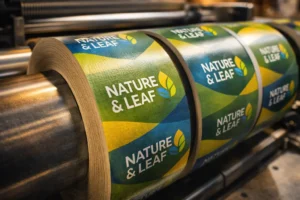
3️⃣ Labels (on Jars, Bottles, or Containers)
Pros:
- Lowest cost packaging solution
- Highly flexible, customizable designs
- Ideal for products needing rigid containers (liquids, creams, jams)
Cons:
- Requires additional packaging (bottle/jar cost)
- Less space for detailed branding/storytelling
Best for: Jams, sauces, cosmetics, beverages, personal care products, honey, supplements
🧠 Key Factors to Consider Before Choosing
| Factor | Pouch ✅ | Box ✅ | Label ✅ |
| Cost Efficiency | High | Medium | Highest |
| Protection Level | Medium | High | High (with rigid container) |
| Shelf Appeal | High | High | Medium |
| Customizability | Medium | High | High |
| Space Efficiency | High | Medium | Low |
| Eco-Friendly Options | Yes | Yes | Yes |
🌟 Real-World FMCG Examples by Format
🎯 Pouches:
- Paper Boat Juices: Innovative shape for visibility
- Farmley Nuts: Resealable matte pouch for freshness
🎁 Boxes:
- mCaffeine Skincare: Premium corrugated boxes
- The Man Company: Elegant boxes for gifting & premium feel
🏷️ Labels:
- Forest Essentials: Labels on jars and bottles for personal care products
- Wingreens Farms: Clear labels on glass jars for jams and sauces
✅ Step-by-Step Guide to Choosing the Right Format
Step 1: Identify your product type (dry, liquid, fragile, etc.)
Step 2: Evaluate shelf life and protection needs (moisture, UV, transit damage)
Step 3: Understand your brand positioning (premium, budget, eco-conscious)
Step 4: Consider retail environment (online, supermarket shelves, boutiques)
Step 5: Test with small quantities first before large-scale production
🛒 Top 5 Amazon Tools to Test Different Packaging Formats
- DEERA Stand Up Ziplock Reusable Airtight Kraft Paper Storage Pouch
- White Paper Gable Gift Boxes 30 Pack Recycled Kraft Gift Box Candy Treat Boxes
- Oddy A4 Paper Label Stickers for Laser & Inkjet Printers
- Seznik Portable Mini Sealing Machine
- Dr Trust (USA) Electronic Kitchen Digital Scale
💬 Final Thought
There’s no “one-size-fits-all” packaging solution. The right format should reflect your product’s unique needs, your budget, and your brand identity.
Take your time, test different formats, and always consider what’s best for your customer.
Because when your packaging aligns with your brand, customers trust, remember, and come back—again and again.



One Response