
The baby toy industry is one of the most profitable businesses worldwide. With increasing demand for safe, educational, and eco-friendly toys, there is a huge opportunity to start a baby toy business.
If you are looking to start a baby toy business from scratch, this guide will cover everything you need to know, including market research, investment, manufacturing, sourcing, selling, branding, and marketing strategies.
1. Market Research & Business Plan
Before starting your baby toy business, it is essential to analyze the market trends and develop a business plan.
1.1 Industry Overview
✅ The global toy market is valued at $120 billion and is expected to grow.
✅ The Indian toy market is projected to reach ₹1 lakh crore by 2030.
✅ Increasing awareness about educational & STEM toys is driving demand.
✅ Parents prefer safe, non-toxic, and eco-friendly baby toys.
1.2 Choosing a Niche
Decide what type of baby toys you want to sell:
1️⃣ Soft Toys – Teddy bears, plush animals, dolls.
2️⃣ Wooden Toys – Traditional and eco-friendly options.
3️⃣ Educational & STEM Toys – Brain development games, puzzles, blocks.
4️⃣ Electronic & Musical Toys – Battery-operated toys, light & sound toys.
5️⃣ Eco-friendly Toys – Biodegradable, non-toxic material toys.
1.3 Target Market
🔹 New parents looking for safe and engaging toys.
🔹 Baby gift buyers for birthdays, baby showers, and festivals.
🔹 Toy stores, e-commerce platforms, and retail shops.
2. Legal Requirements & Business Registration
Starting a baby toy business requires proper licensing and registration.
✅ Company Registration: Choose the right business structure:
- Sole Proprietorship (small business).
- LLP or Pvt Ltd Company (for large-scale business).
✅ Licenses & Permits:
- GST Registration (for tax purposes in India).
- BIS Certification (Bureau of Indian Standards) for toy safety compliance.
- Trademark Registration (for brand protection).
✅ Toy Safety Standards Compliance:
Ensure your toys comply with global safety standards:
🔹 EN 71 (Europe)
🔹 ASTM F963 (USA)
🔹 IS 9873 (India)
3. Investment & Business Setup
The investment in a toy business depends on whether you manufacture toys or source & sell them.
3.1 Manufacturing vs. Trading
1️⃣ Toy Manufacturing Business (₹10-50 lakh investment)
- Requires factory setup, raw materials, machinery.
- Higher profit margin but requires more investment.
2️⃣ Toy Trading & Reselling (₹2-10 lakh investment)
- Buy from manufacturers and sell under your brand.
- Lower investment, faster business setup.
3.2 Factory Setup (For Manufacturing)
✅ Location: Industrial areas with access to raw materials & transportation.
✅ Factory Space: Minimum 500-1000 sq. ft. required.
✅ Machinery Required:
- Plastic molding machines.
- Cutting & shaping machines for wooden toys.
- Painting & finishing equipment.
4. Raw Materials & Suppliers
For toy manufacturing, you need high-quality raw materials:
🔹 Plastic & Silicone – For soft & flexible baby toys.
🔹 Wood & Natural Materials – For eco-friendly toys.
🔹 Fabric & Cotton – For stuffed toys & dolls.
🔹 Electronics & Batteries – For musical & light-up toys.
📌 Find Suppliers:
- Contact raw material suppliers in China, India, and Vietnam.
- Use B2B platforms like Alibaba, Indiamart, TradeIndia.
5. Manufacturing & Quality Control
The toy-making process includes:
Step 1: Designing & Prototyping
🔹 Develop toy designs & 3D models using software.
🔹 Create a prototype before mass production.
Step 2: Material Selection & Molding
🔹 Choose safe, non-toxic materials for baby toys.
🔹 Use plastic injection molding or wooden cutting.
Step 3: Assembly & Painting
🔹 Assemble toy parts with non-toxic adhesives.
🔹 Paint with lead-free, child-safe colors.
Step 4: Quality Testing & Packaging
🔹 Test toys for safety, durability, and usability.
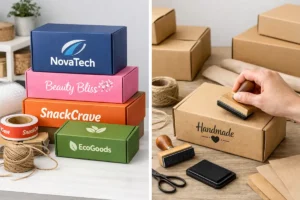
🔹 Use attractive, child-friendly packaging.
6. Branding & Marketing Strategy
To stand out in the toy industry, you need strong branding and marketing.
6.1 Brand Name & Logo
✅ Choose a memorable brand name (e.g., “LittleJoy”, “FunBaby”).
✅ Design an eye-catching logo for brand recognition.
6.2 Selling Channels
✅ Online: Sell on Amazon, Flipkart, FirstCry, your website.
✅ Retail & Wholesale: Distribute to baby stores, toy shops, supermarkets.
6.3 Digital Marketing Strategy
🔹 Social Media Marketing: Facebook, Instagram Ads targeting parents.
🔹 Influencer Marketing: Partner with mom bloggers & toy reviewers.
🔹 SEO & Content Marketing: Write blogs on baby care & toy safety.
7. Cost & Profitability Analysis
7.1 Investment Breakdown
| Expense | Estimated Cost (₹) |
| Company Registration & Licensing | ₹20,000 – ₹50,000 |
| Machinery & Equipment | ₹5 lakh – ₹30 lakh |
| Raw Materials | ₹3 lakh – ₹10 lakh |
| Packaging & Branding | ₹50,000 – ₹5 lakh |
| Marketing & Advertising | ₹1 lakh – ₹5 lakh |
| Miscellaneous | ₹1 lakh – ₹3 lakh |
| Total Investment | ₹5 lakh – ₹50 lakh |
7.2 Profit Margin
✅ Manufacturing Profit: 30-50% per toy.
✅ Trading Profit: 20-35% per toy.
If you sell 10,000 toys per month at ₹50 per unit profit, you can earn ₹5,00,000 per month.
8. Growth & Expansion Strategies
Once your baby toy business is running, expand by:
✅ Launching New Products – Add STEM, plush, and wooden toys.
✅ Exporting to International Markets – Sell in USA, UK, UAE, Africa.
✅ Private Labeling for Other Brands – Manufacture for other toy brands.
✅ Building an E-commerce Store – Sell directly through your website.
Conclusion
The baby toy business is a highly profitable industry with consistent demand. Whether you manufacture or source toys, success depends on quality, pricing, and marketing strategies.
🚀 Start your baby toy business today and build a successful brand in the children’s toy industry!
The Rise of Plant-Based Food Businesses and Innovative Packaging Trends