

🎯 Hook: Because likes, filters, and DMs can’t fix loneliness.
Gen Z is the most connected generation — but also the most anxious, overstimulated, and emotionally isolated.
Between academic pressure, digital noise, identity questions, and post-pandemic social fatigue, traditional social media often amplifies the problem instead of solving it.
That’s why a new wave of mental wellness startups is creating social networks with safety and sincerity at their core.
🚨 The Problem: Connection Without Comfort
| What Gen Z Gets from Social Media | What They Actually Need |
| 🖼️ Perfect images & pressure | 🧠 Space to be real without judgment |
| 💬 Infinite messages | 🤝 One meaningful check-in or conversation |
| 🎯 Algorithms & likes | 🌱 Tools to grow emotionally, not perform |
| 😐 “Scroll therapy” | 🗣️ Anonymous but safe support channels |
Gen Z wants connection — but they want it on their own terms, with realness over perfection.
💡 The Solution: Social Platforms for Mental Wellbeing
Wellness startups are now reimagining the “feed” as something that:
- 👥 Encourages anonymous peer sharing
- 🤝 Offers therapist-guided check-ins
- 🧘 Supports guided self-care & journaling
- 📲 Gamifies wellness with badges, mood tracking, streaks
- 🛡️ Builds in safe moderation — not just filters
It’s not about venting in public. It’s about creating a digital space that heals — not triggers.
🧩 What These Startups Offer
| Feature | Why It Matters to Gen Z |
| 🗣️ Anon Sharing Rooms | Talk freely about anxiety, burnout, gender, or grief |
| 🧑⚕️ 1:1 Check-Ins with Experts | Bite-sized therapy or emotional triage |
| 📔 Digital Journals | Helps reflect without pressure to post |
| 🌈 Identity-Affirming Spaces | LGBTQ+, neurodiverse, and culturally safe zones |
| 📱 Daily Nudges | Mindful quotes, music, gratitude prompts |
These aren’t social media replacements — they’re emotional gyms.
🚀 Examples of Startups Leading This Movement
| Startup Name | What They Do |
| Wysa (India) | AI + human emotional support app |
| Huddle | Group chat therapy in safe, anonymous rooms |
| DiveThru | Therapist-led journaling and youth check-ins |
| Blue Fever | An AI big-sister-like chat that checks in daily |
| Unmute | Audio-only peer support groups |
These platforms prioritize privacy, ease, and empathy — meeting Gen Z where they are, but offering what they truly need.
📈 Why It Works
| Startup Advantage | Why Gen Z Responds |
| 💬 Real over curated | No pressure to perform or please |
| 🔒 Safe but expressive spaces | Healing without oversharing |
| 🧩 Flexible engagement | Come and go, reflect, reset, return |
| 🔁 Habit-forming without addiction | Promotes growth, not endless scrolling |
Mental wellness startups are tapping into low-lift, high-value interactions — helping users feel seen without being exposed.
🌿 Bonus: Wellness-First Design + Packaging
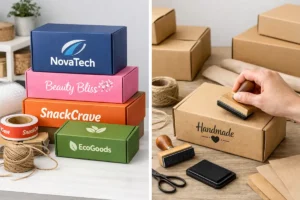
Many of these startups include physical tools — journals, affirmation cards, sensory kits — sent via subscription or welcome packs.
Smart packaging here means:
- 💡 Calm colors and textures (like matte pastels or recycled kraft)
- 📦 Simple UX-focused unboxing — no overwhelm
- 💬 Inclusion of printed affirmations or QR codes for app check-ins
✨ Startups working with PackagingSeller.com can craft print-ready, wellness-first packaging kits that feel more like gifts than utilities.
🧠 Final Thought
For Gen Z, the future of social connection doesn’t look like Instagram.
It looks like a check-in. A space to feel seen. A chance to heal.




3 Responses