

Honeycomb packaging is an eco-friendly, durable, and lightweight solution that is in high demand across industries. Starting a sustainable packaging startup can be a lucrative venture if you understand the process, source the right materials, and invest in suitable machinery. This guide provides a step-by-step approach to launching a successful paper honeycomb sheets business.
Why Honeycomb Packaging is a Growing Industry
🍯 Eco-Friendly Demand: Businesses are moving towards sustainable packaging solutions.
🍯 Versatile Applications: Used in e-commerce, automotive, furniture, and electronics industries.
🍯 Cost-Effective: Lightweight yet durable, reducing shipping costs and breakage.
Step 1: Research and Plan Your Honeycomb Packaging Business
✅ Market Analysis: Identify target industries needing recyclable paper structure (e.g., fragile goods, furniture, appliances).
✅ Business Model: Decide if you will produce custom honeycomb packaging or sell ready-made sheets.
✅ Competitive Landscape: Study competitors and find unique selling points like eco-certifications.
Step 2: Source Materials for Honeycomb Packaging
✅ Core Material: Paperboard or kraft paper (recyclable and biodegradable).
✅ Adhesives: Water-based or eco-friendly adhesives for bonding layers.
✅ Suppliers: Partner with reliable paper and adhesive manufacturers to ensure consistent quality.
Step 3: Invest in Essential Machinery
To produce eco-friendly packaging efficiently, you’ll need specialized equipment:
📦 Honeycomb Core Machine: Converts paper rolls into honeycomb core structure.
📦 Laminating Machine: Bonds layers to create thicker, stronger sheets.
📦 Cutting Machine: Precision cutting for custom shapes and sizes.
📦 Packaging Line: For finishing, packing, and quality control.
Step 4: Set Up Your Production Facility
✅ Location: Choose a space with ample room for machines, storage, and logistics.
✅ Workflow Design: Organize the layout for smooth material flow from raw input to finished products.
✅ Compliance: Meet environmental and industrial standards (ISO, FSC certifications).
Step 5: Design and Customize Honeycomb Packaging
📐 Custom Sizes: Offer tailored dimensions for fragile or heavy products.
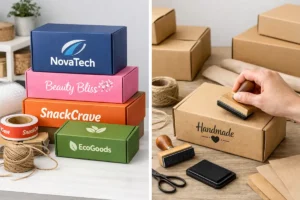
📐 Branding Options: Provide printing services for logos and handling instructions.
📐 Eco Labels: Highlight sustainability with biodegradable and recyclable labels.
Step 6: Build a Strong Supply Chain
✅ Raw Material Sourcing: Secure bulk deals with paper and adhesive manufacturers.
✅ Logistics Partners: Collaborate with reliable carriers to deliver orders efficiently.
✅ Inventory Management: Implement systems to track stock levels and order fulfillment.
Step 7: Market and Grow Your Honeycomb Packaging Business
📊 Target Industries: Approach e-commerce brands, manufacturers, and logistics firms.
📊 Digital Presence: Launch a website showcasing your products and eco-friendly solutions.
📊 Client Relationships: Offer bulk discounts and custom packaging consultations.
Profitability Tips for Honeycomb Packaging Business
💡 Efficiency: Optimize machinery settings for maximum output with minimal waste.
💡 Value-Add Services: Provide custom designs, fast delivery, and sustainable certifications.
💡 Scalability: Start small and scale as demand grows by reinvesting profits.
Final Thoughts
Launching a honeycomb packaging business requires thoughtful planning, quality machinery, and a strong supply chain. With the growing demand for eco-friendly solutions, there’s ample opportunity to build a profitable and sustainable business.
How Can You Align Your Design Work with a Client’s Financial Constraints?



2 Responses